
Born in Switzerland in 1895, Richard moved to Canada with his family at the age of eleven, settling in Cold Lake, Alberta. The forests, lakes, and vast northern landscapes of Western Canada would leave a lasting impression on the young artist.
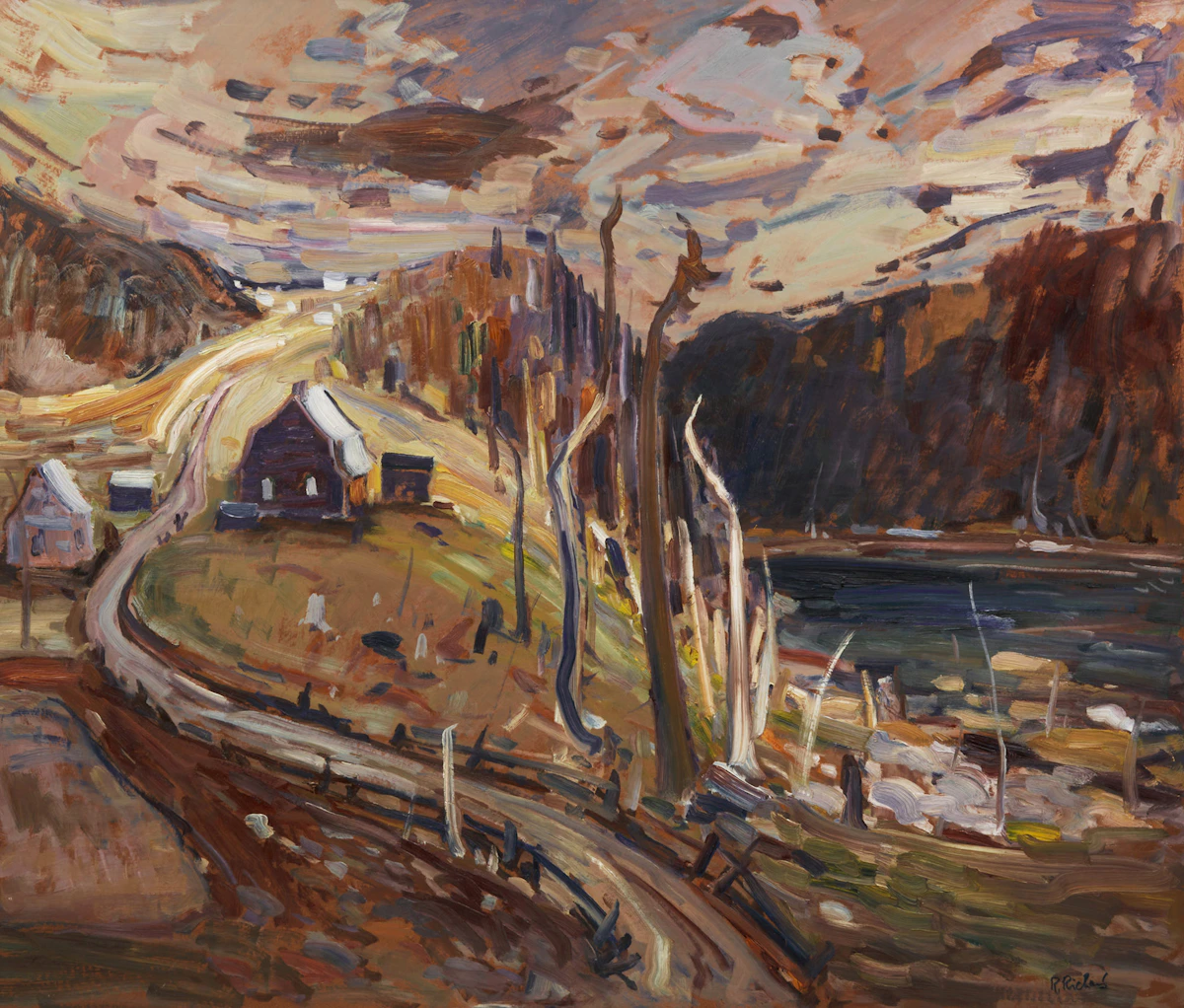
As a young man, he was drawn to the independence of life in the wilderness. He trained as a trapper and began travelling into remote regions of western and northern Canada, developing a strong familiarity with Indigenous routes and survival in harsh environments. He constantly observed and mentally recorded the landscapes around him, building an internal archive that would later become central to his art.
In 1927, Richard left Canada for France in order to develop his artistic skills more formally. In Paris, he encountered Clarence Gagnon, who played an important role in his artistic direction. Gagnon encouraged him to visit museums regularly, draw directly from observation, and study both urban and rural French life.
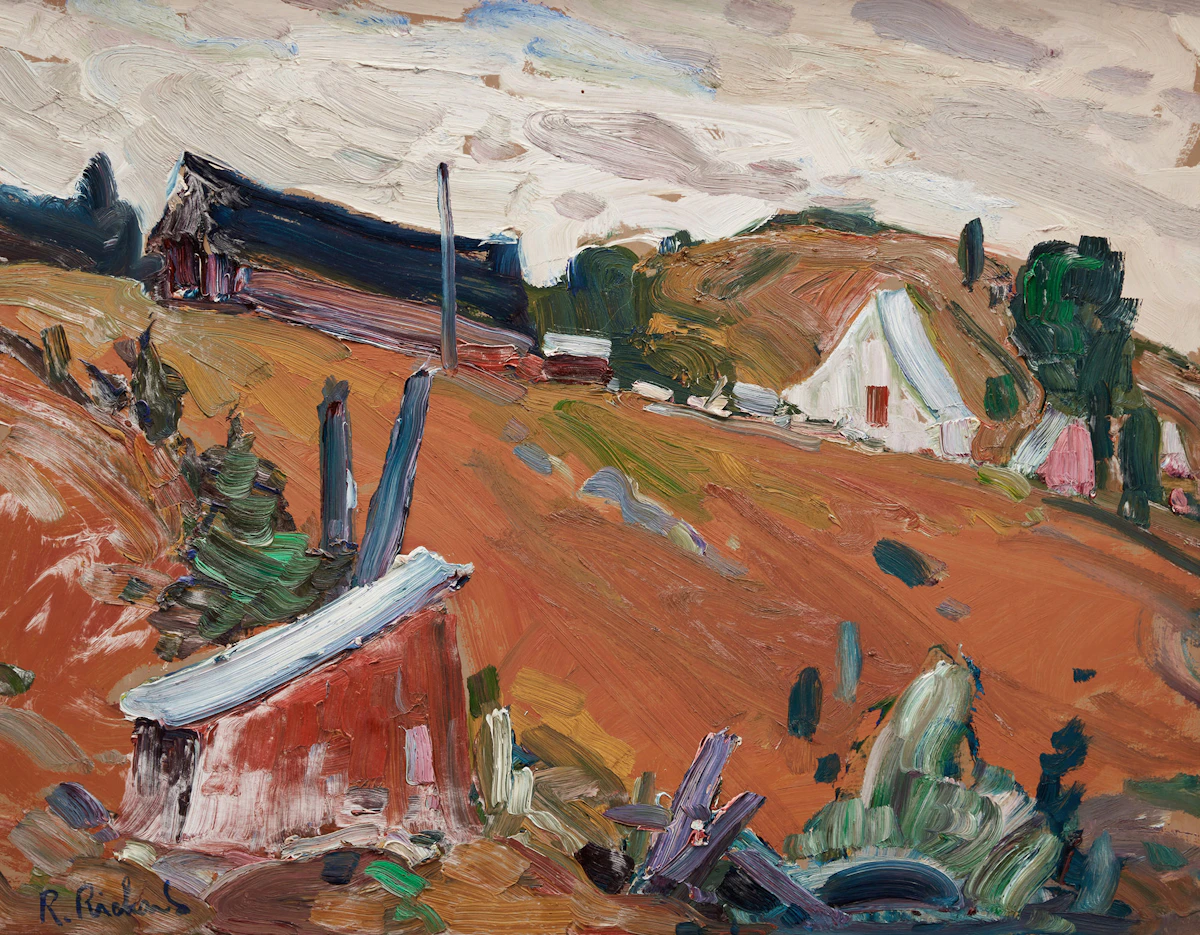
When he returned to Canada in 1930, Richard did not abandon his earlier lifestyle. Instead, he resumed travelling and trapping, but with a deliberate artistic focus. The northern regions he moved through became both subject and studio. Rather than relying solely on sketches, he often stored visual impressions mentally, later painting them. This method became especially important in his later series inspired by northern Canada in the 1950s.
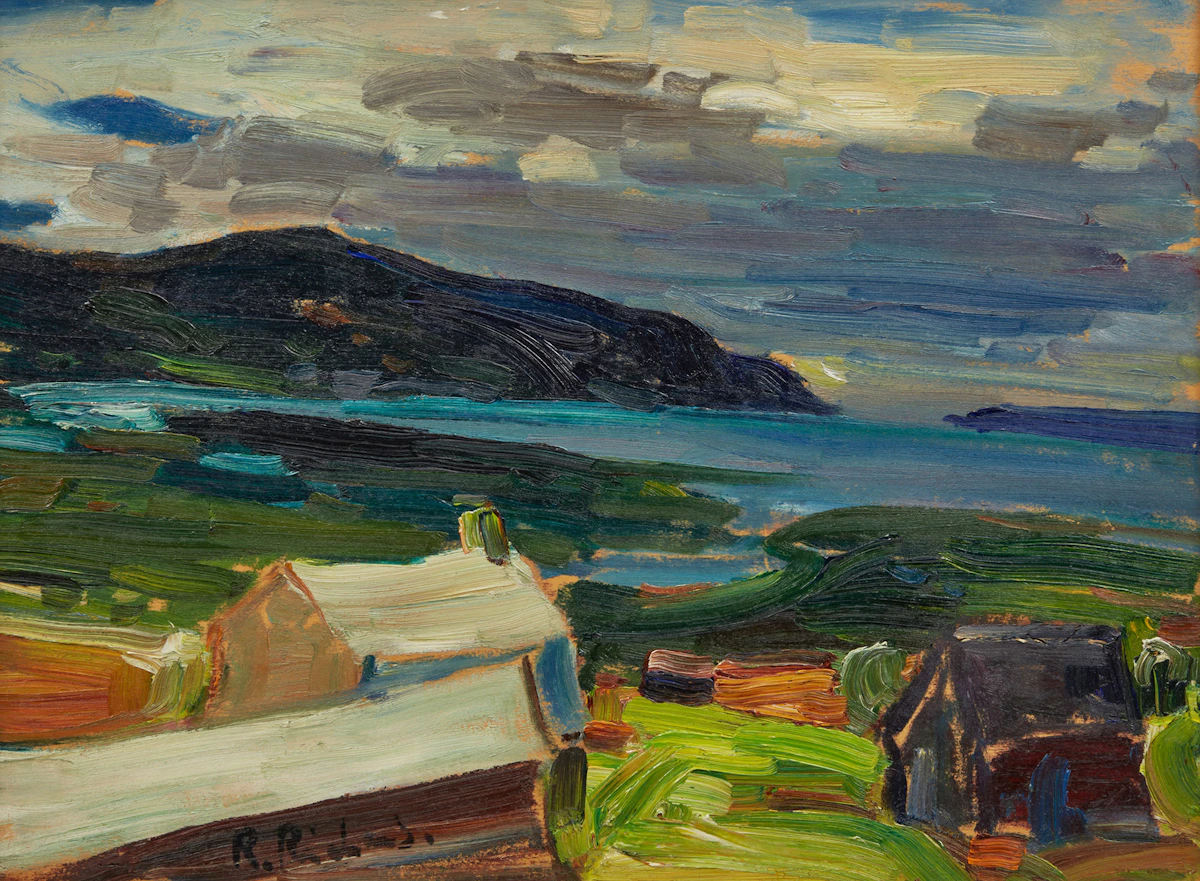
In 1938, Richard accepted an invitation from Clarence Gagnon to join him in Montreal. During this period, he assisted Gagnon in cataloguing the works of the late painter Horatio Walker on Île d’Orléans.
It was also during this time that he became connected with the Cimon family in Baie-Saint-Paul. They offered him a welcoming space where he could both work and assist with daily tasks. This relationship became central to his life, and by 1942 he had settled permanently on their property, marking the beginning of his most productive artistic period.
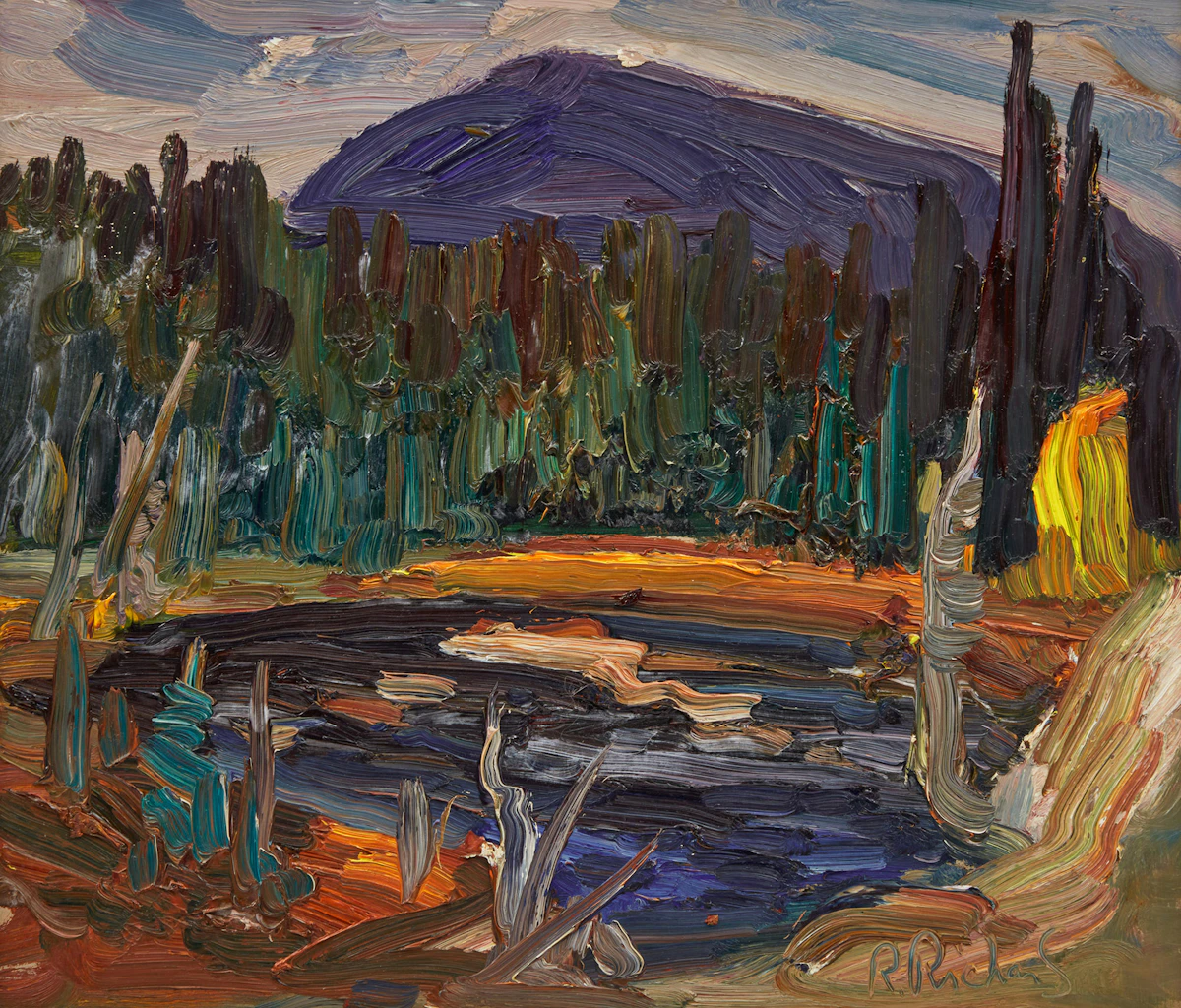
Richard’s first major exhibitions took place in Montreal in 1943, including shows at Galerie L’Art Français and later Walter Klinkhoff Gallery. His work quickly gained attention for its distinctive approach to landscape and northern life.
He travelled and painted extensively along the St. Lawrence River aboard his boat Le Solitaire, using these journeys to study shifting light, geography, and seasonal change.
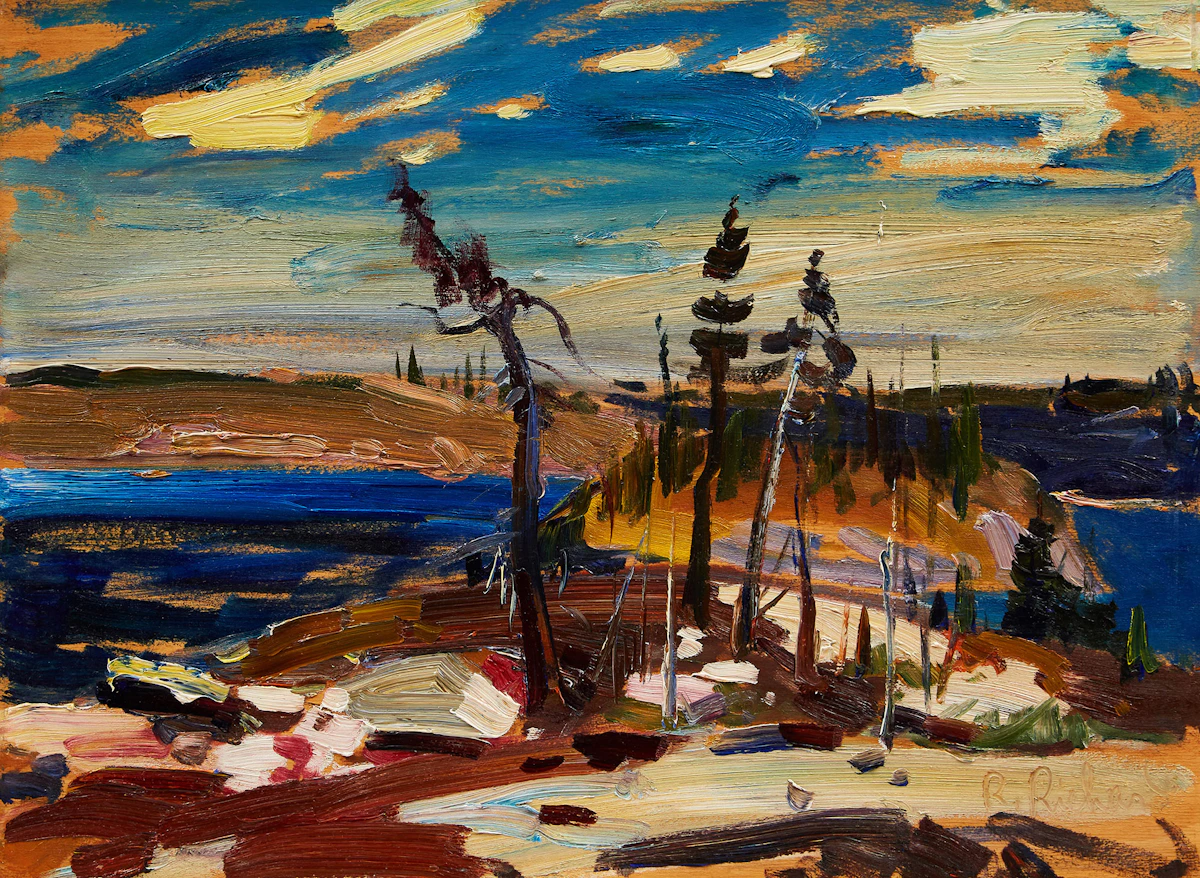
Between 1948 and 1951, Richard joined scientific expeditions to northern Quebec, including journeys with biologist Duncan Hodgson and botanist Jacques Rousseau. These trips to Ungava and surrounding regions had a lasting impact on his art. Following these expeditions, he produced a significant body of work based on northern landscapes, later combined with imagery drawn from canoe and camping trips along the Rivière-Malbaie.
Richard developed a distinctive art style through experimentation with different materials and techniques. He worked across drawing, painting, and sketching, often emphasizing simplicity of form and structural composition.
Unlike many of his contemporaries who moved toward abstraction, Richard stayed with landscape and lived experience. His works frequently include trappers, travellers, and Indigenous figures as integrated parts of the environment rather than separate subjects.
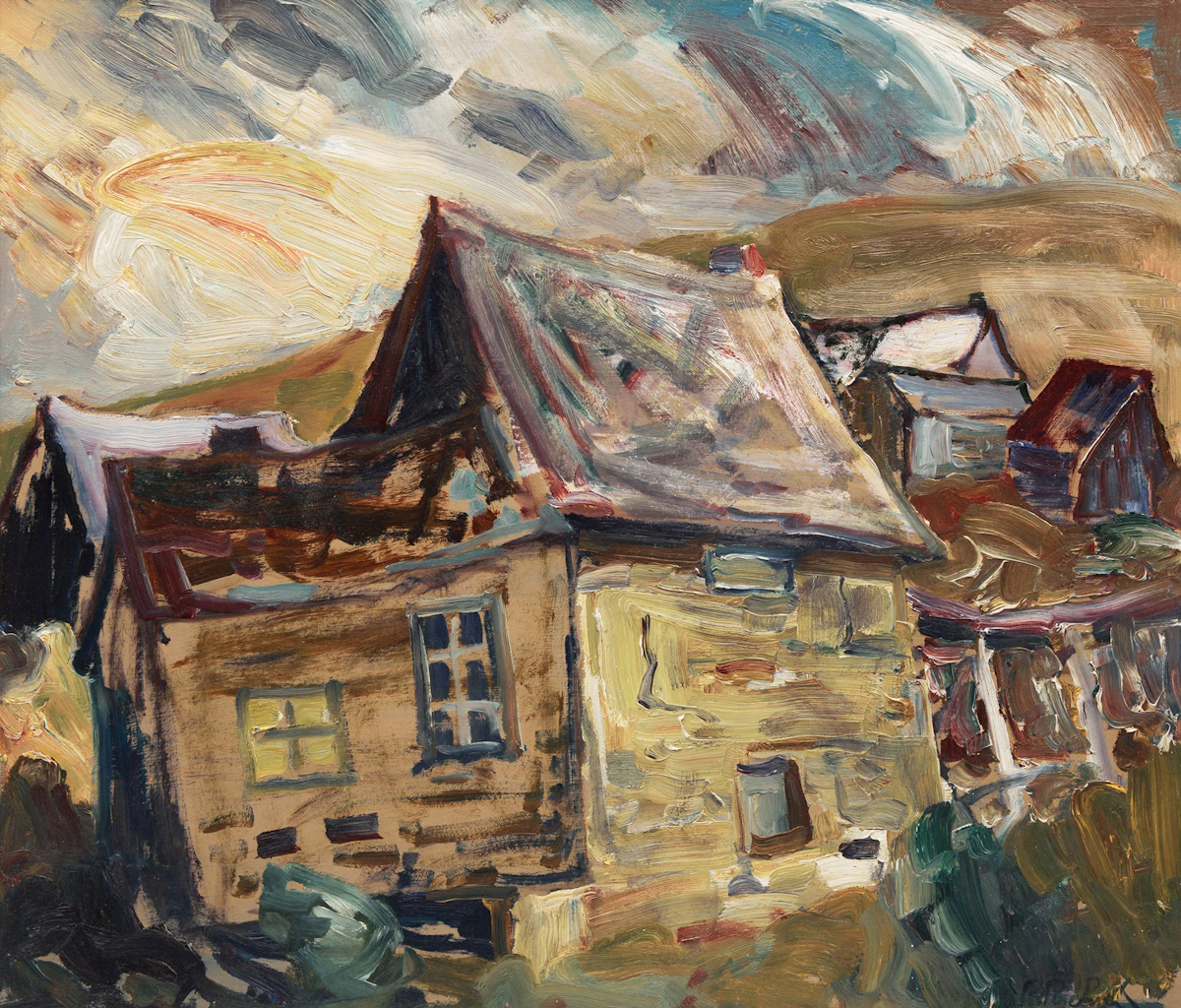
Richard maintained close friendships with several important Canadian writers, including Gabrielle Roy and Félix-Antoine Savard. Roy drew inspiration from his life and work, and Savard’s Menaud, maître draveur also reflects themes closely aligned with Richard’s world of northern labour and travel. These relationships placed him at the intersection of visual art and Canadian literary culture in the mid-20th century.
In his later years, Richard’s home in Baie-Saint-Paul became a gathering place for Quebec artists, including figures such as Marc-Aurèle Fortin, Jean-Paul Lemieux, and Albert Rousseau. It functioned as both a studio environment and a gathering space for artists.
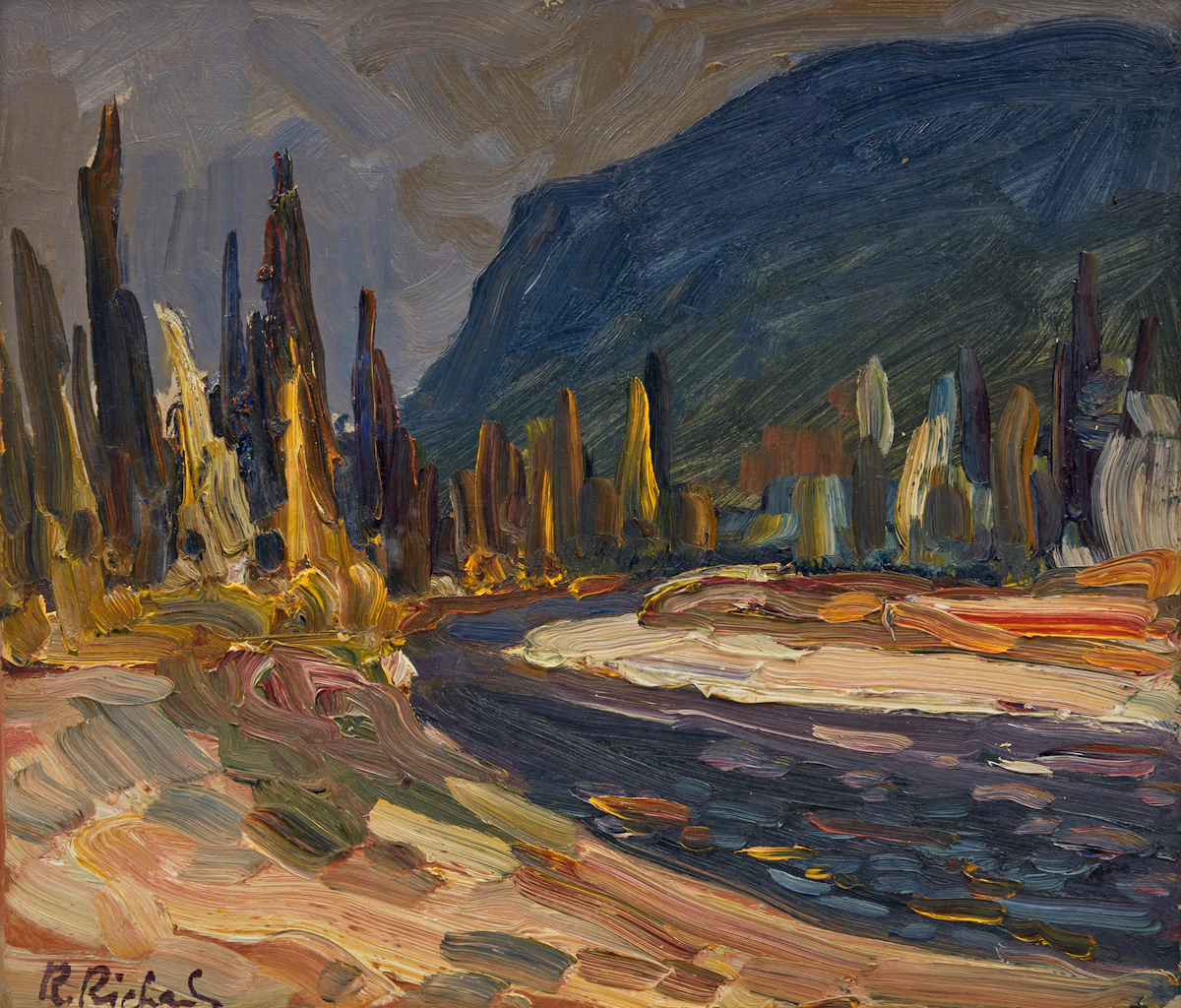
Shortly before his death, his home was recognized as a heritage site. It is now preserved as a museum dedicated to his life and work. René Richard died in Baie-Saint-Paul in 1982 at the age of 86, leaving behind a body of work that is still admired to this day.
Consignment at Rookleys
At Rookleys Canadian Art, we are actively seeking works by René Richard for consignment, offering consignment rates far lower below what auction houses charge. If you have a painting by René Richard to consign, please contact us at info@rookleys.com to discuss these opportunities further.
Works Cited
"Biography of René Richard." Galerie Valentin, Galerie Valentin.
"Richard, René." Galerie Beauchamp, Galerie Beauchamp.
"Richard, René." Musée national des beaux-arts du Québec, MNBAQ Artist Profile.
"Rue René-Richard." Commission de toponymie du Québec, Commission de toponymie du Québec.