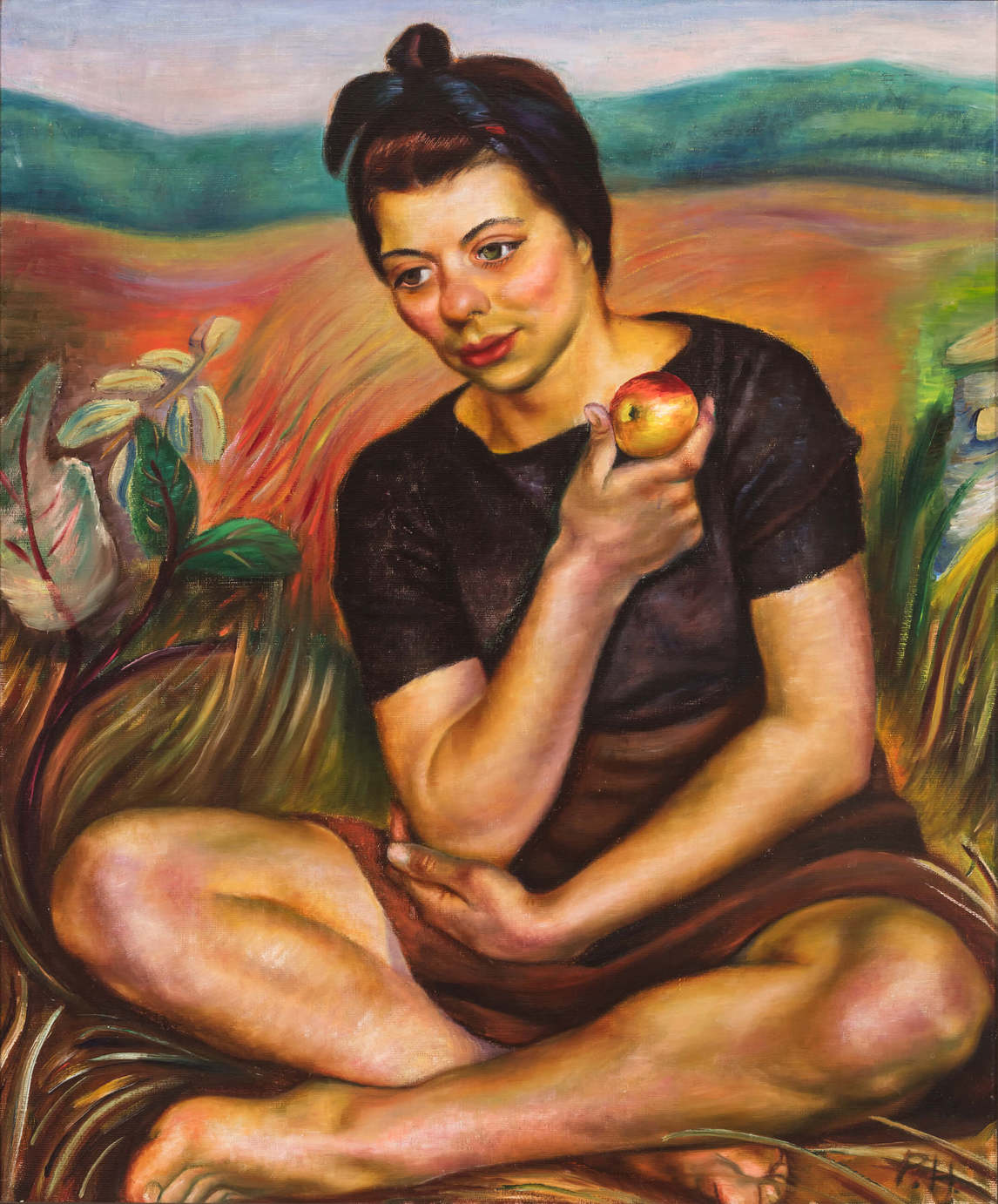
Born into a wealthy artistic family in Montreal, Heward began drawing lessons at twelve and soon studied at the Art Association of Montreal. After spending the war years in England volunteering with the Red Cross, she returned to Montreal and continued her studies under influential teachers such as William Brymner and Randolph Stanley Hewton. Many of her classmates, including Edwin Holgate and Sarah Robertson, also became prominent Canadian artists. She frequently painted outdoors with Maurice Cullen, exploring rural Quebec scenes and developing an appreciation for landscape that would later inform her figure compositions.
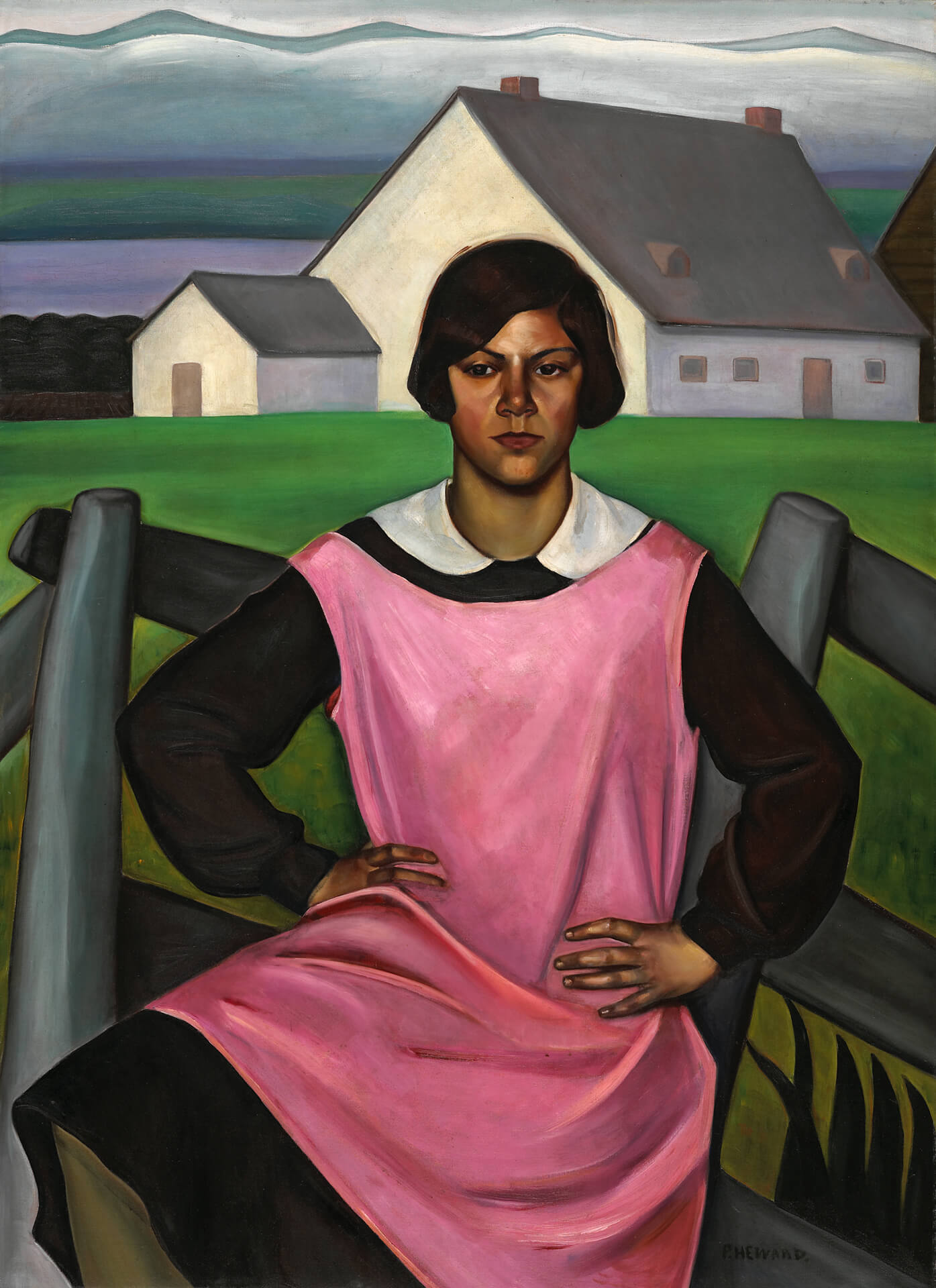
In 1925 Heward received a scholarship to study in Paris at the Académie Colarossi, where she worked with Charles Guérin and Bernard Naudin. Paris exposed her to European modernism and connected her with other Canadian students, including Isabel McLaughlin, who remained a lifelong friend. The two returned to France in 1929 for additional studies and sketching trips, visiting areas such as the Mediterranean coast. These experiences shaped Heward’s approach to colour and simplified form, blending modernist ideas with representational painting.
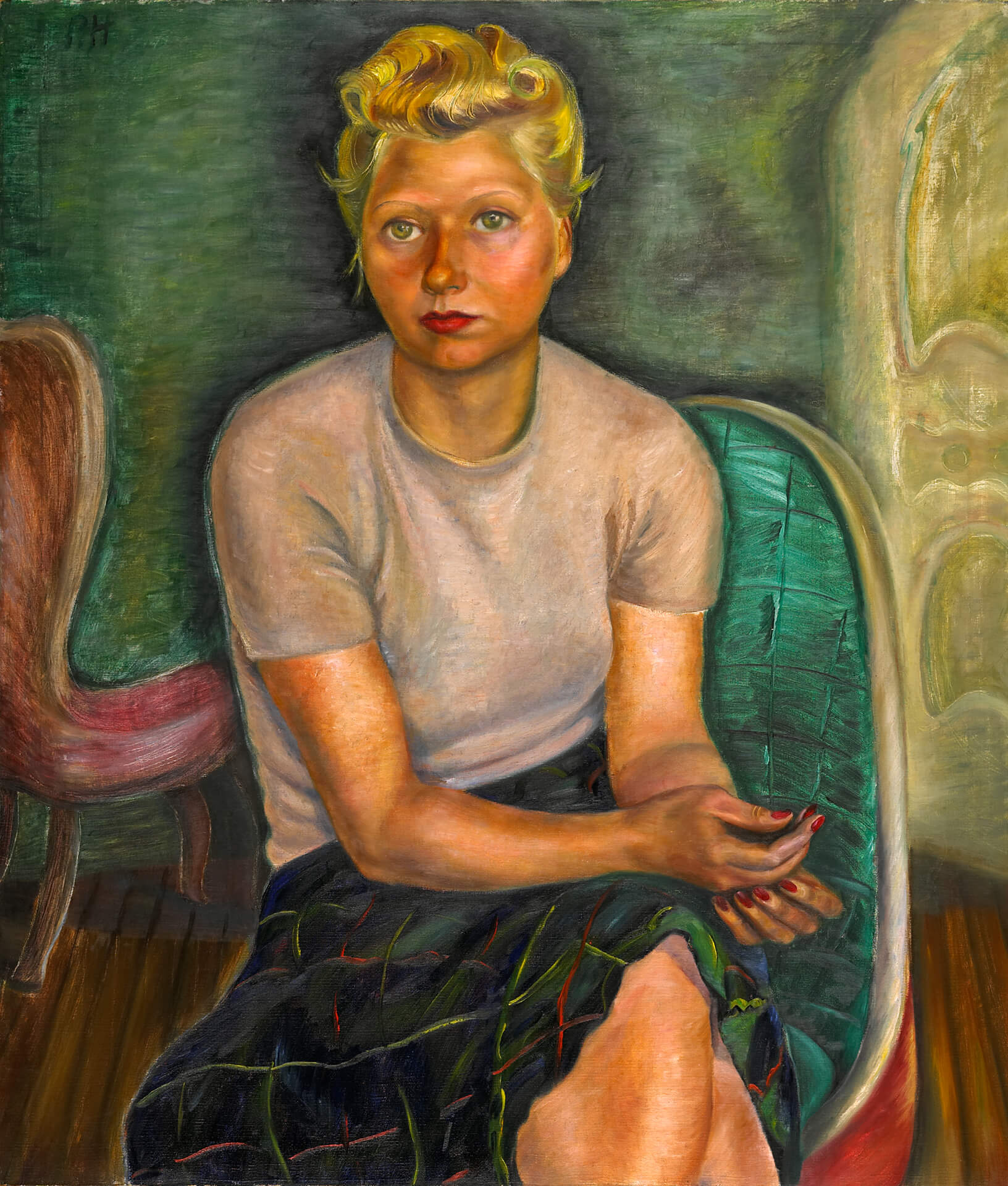
Heward’s work gained recognition during the 1920s and 1930s. Her painting Girl on a Hill (1928) won the Willingdon Prize in 1929, and Rollande (1929) received international attention in touring exhibitions. She exhibited with the Group of Seven on several occasions and held her first solo exhibition in 1932. Although she struggled at times with the limited opportunities available to women artists in a male-dominated field, her reputation grew steadily. Her canvases often feature solitary female figures set within landscapes, rendered in rich, bold colours and sculptural forms.
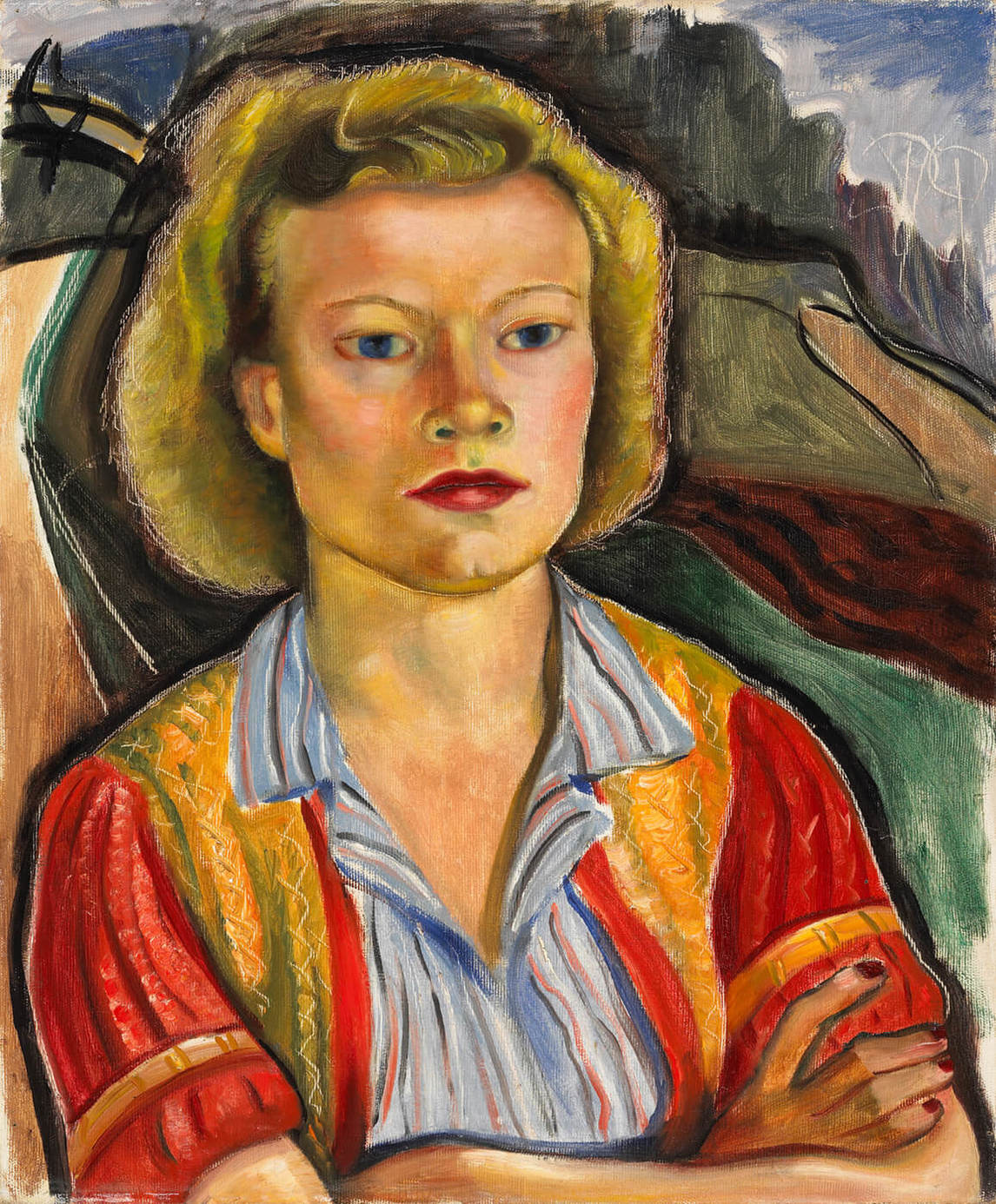
Heward was associated with progressive artistic circles in Montreal, including the Beaver Hall Group, and later became a founding member of organizations such as the Canadian Group of Painters and the Contemporary Arts Society. These groups supported modern approaches to Canadian art and provided exhibition opportunities for artists outside traditional academic institutions. Her works are now held in major Canadian collections, reflecting her lasting contribution to the development of modern figure painting in Canada.
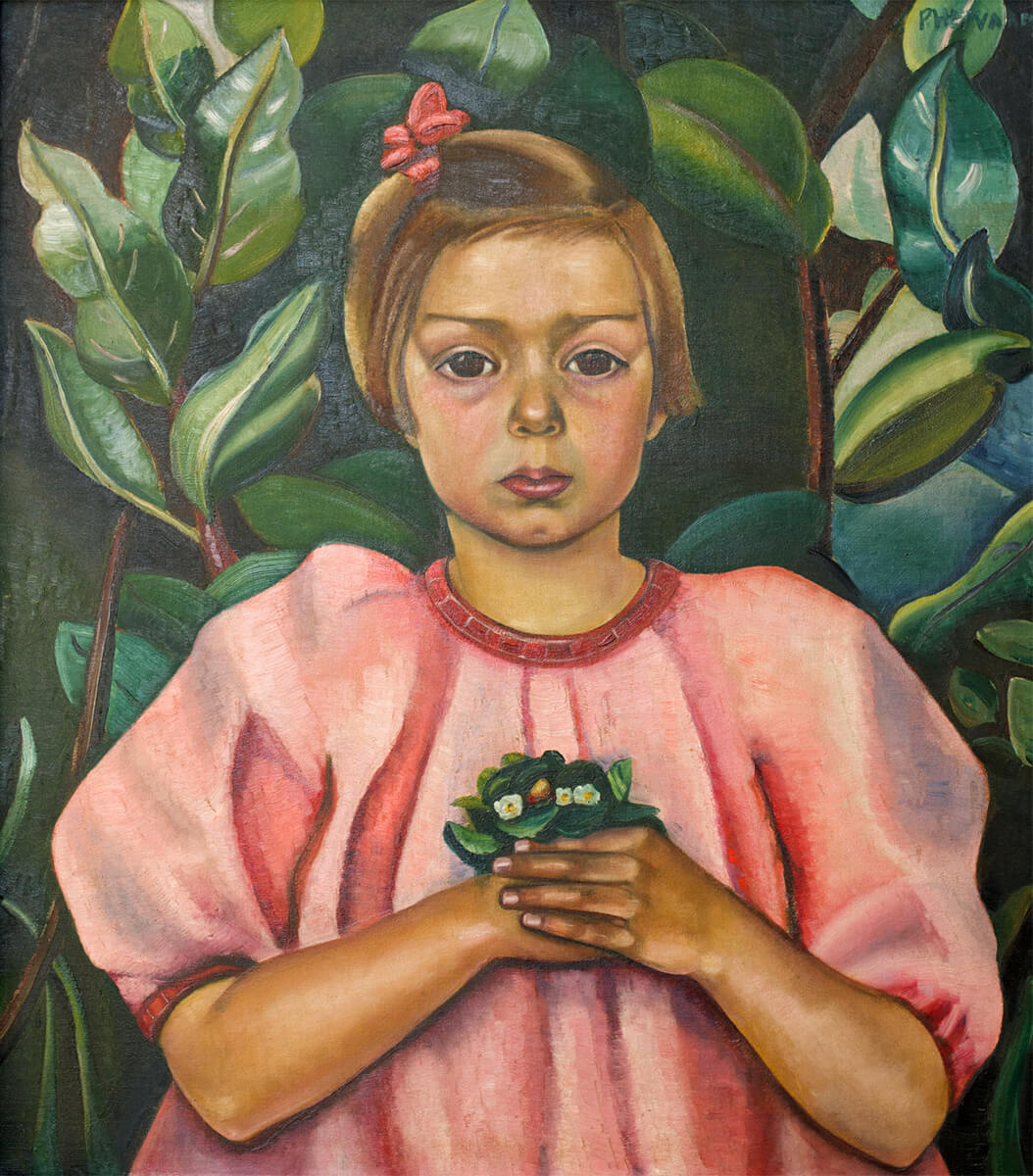
Chronic asthma affected Heward’s later years. She died in 1947 while seeking treatment in Los Angeles. A memorial exhibition organized by the National Gallery of Canada the following year celebrated her achievements and reinforced her place in Canadian art history. Today scholars recognize Heward as a pioneering modernist whose portraits expanded the possibilities of representing women with psychological complexity and individuality.
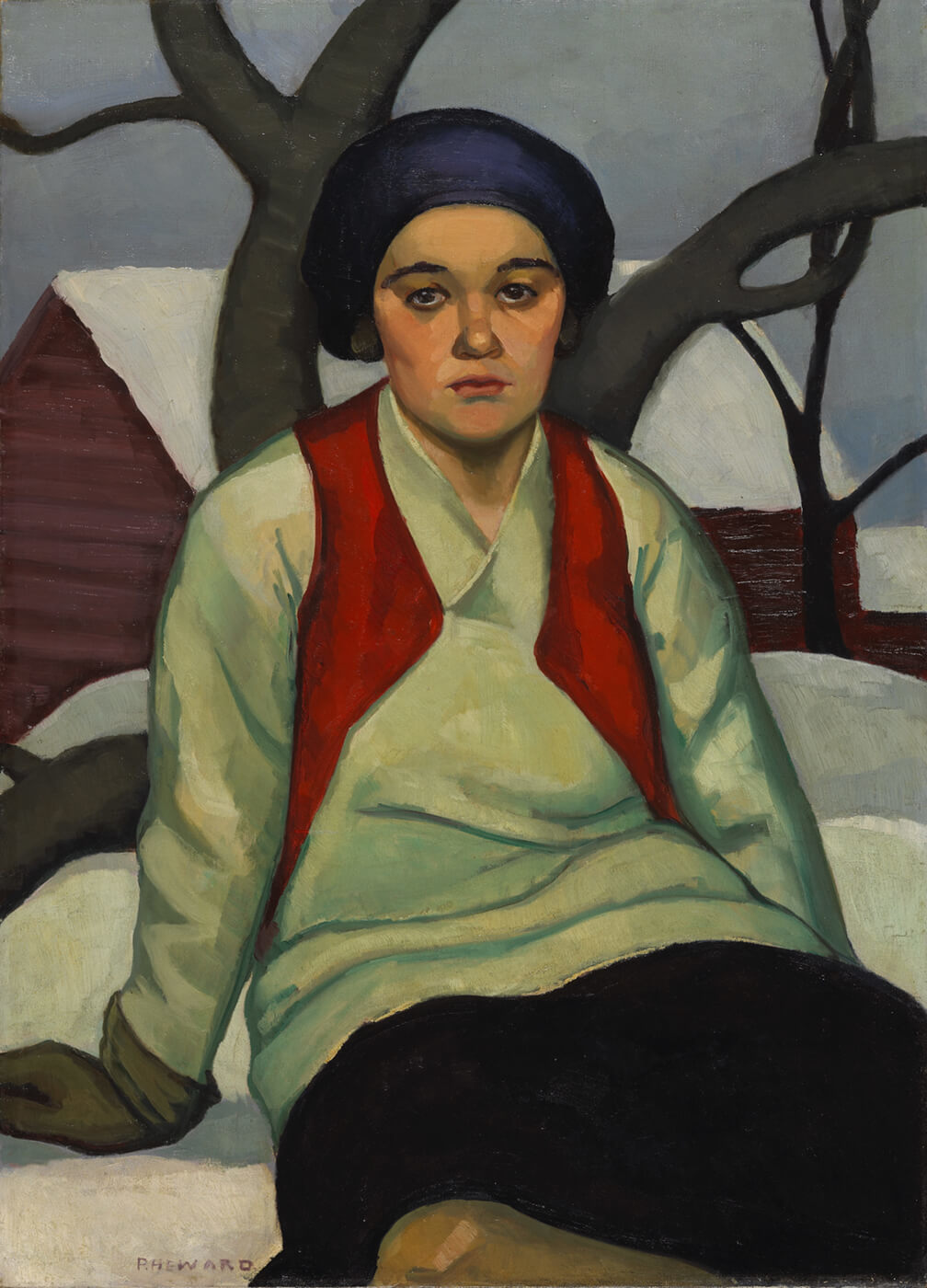
Consignment at Rookleys
At Rookleys Canadian Art, we are actively seeking works by Prudence Heward for consignment, offering consignment rates far lower below what auction houses charge. If you have a painting by Prudence Heward to consign, please contact us at info@rookleys.com to discuss these opportunities further.
Bibliography
Art Canada Institute. Prudence Heward: Life & Work. Toronto: Art Canada Institute, n.d.
Luckyj, Natalie. Expressions of Will: The Art of Prudence Heward. Kingston: Agnes Etherington Art Centre, Queen’s University, 1986.
Nochlin, Linda. “Why Have There Been No Great Women Artists?” ArtNews, January 1971.
Reid, Dennis. A Concise History of Canadian Painting. Toronto: Oxford University Press, various editions.
Skelly, Julia. Prudence Heward: Life & Work. Toronto: Art Canada Institute, n.d.
National Gallery of Canada. Collection records and curatorial notes on works by Prudence Heward (accessed via public collection information).