


“Visual Art has always supported me - Lifted me and helped me through challenging times and the tides of life.”
Born in Montréal and raised in Toronto, Steven Henderson has been immersed in visual art since childhood. Early creative influences came from his parents, his mother’s knitting and his father’s carpentry. As a teenager, Henderson became a pioneering figure in Toronto’s emerging graffiti mural movement. His work, created under the name “Hope,” was later featured in the legendary book Toronto Graffiti: The Human Behind the Wall, edited by Yvette Farkas, a publication that documents the history of graffiti in the city.
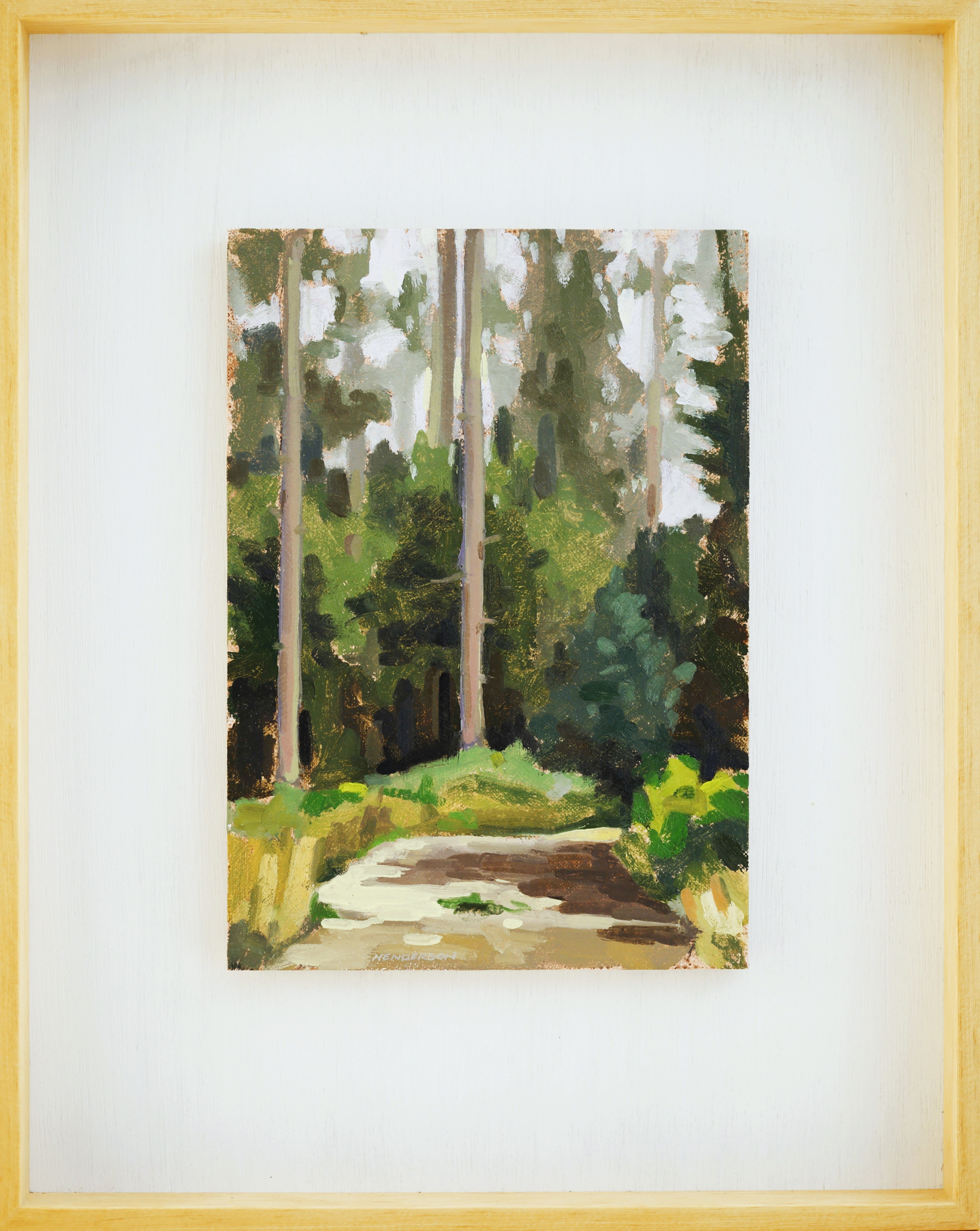
Steven Henderson; Moment Ravelling Onward
Recognizing his dedication to the arts, Henderson was accepted into the Visual Arts program at Toronto’s Central Technical School and later continued his studies at the Ontario College of Art and Design (OCAD). The loss of his mother shortly before entering OCAD was a terribly profound moment in his life, and both being in art school and his mural practice became essential supports during this period of grief.

2nd Sting, Sorauren Park, Toronto
After studying Sculpture/Installation and Environmental Design (Interior Architecture and Design) at OCAD, he worked as an industrial cabinetmaker before transitioning into interior design, eventually establishing himself as a highly skilled maker of bespoke furniture and fine objects in wood and metal. Informal apprenticeships with Japanese woodworker Kazuo Murotani and internationally respected artist Gord Peteran were formative, influencing both his craftsmanship and artistic philosophy. For many years, he maintained a thriving practice as a studio furniture maker, creating one-of-a-kind pieces for private clients.
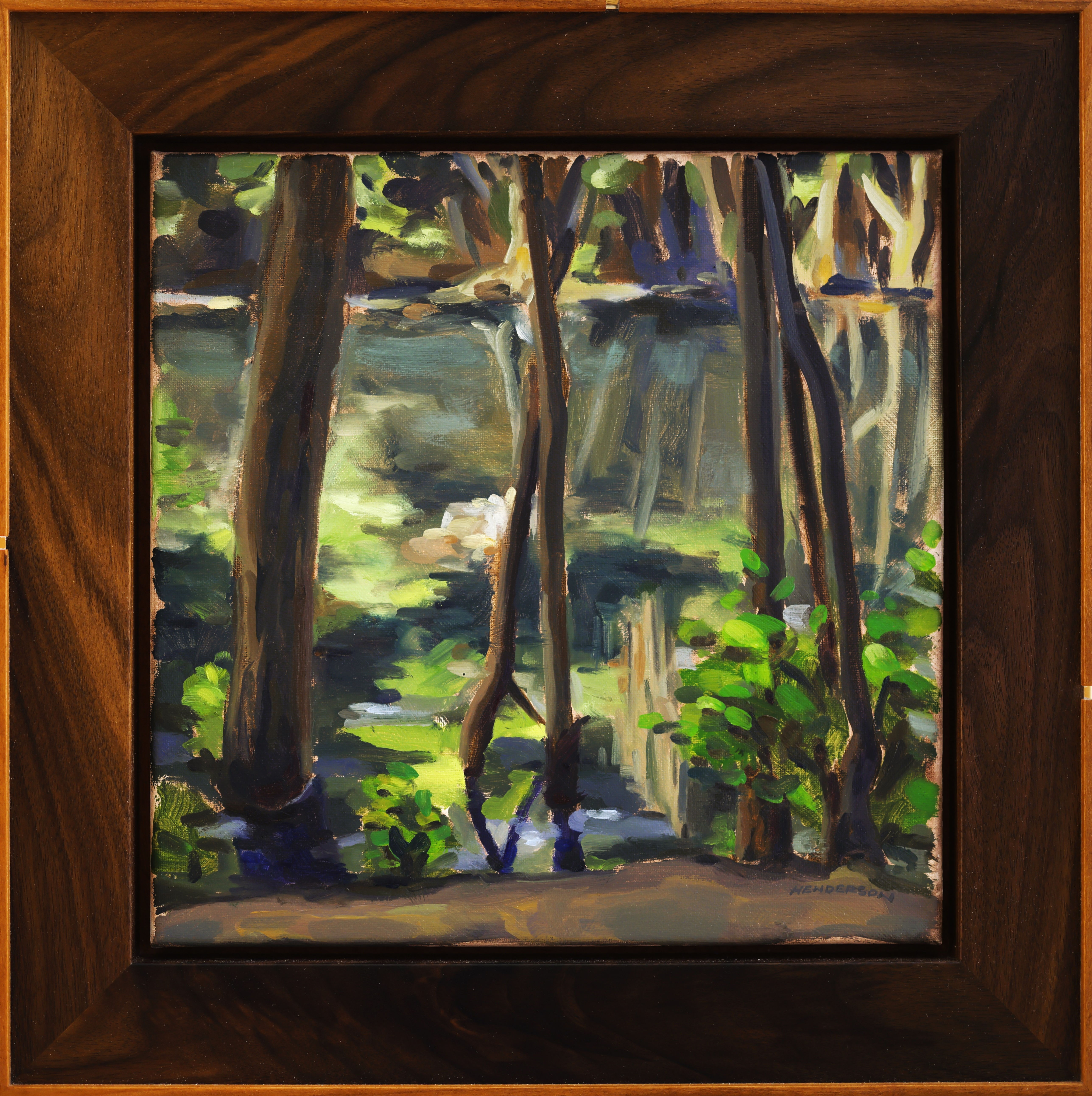
Steven Henderson; Wendigo Pond, High Park
Parallel to his artistic work, Henderson trained extensively in the yoga tradition of T. Krishnamacharya and taught for many years, finding a balance between physical discipline, meditative focus, and creative production.
In the midst of a flourishing career, Henderson’s life shifted dramatically after a severe cycling accident caused by a distracted driver. He survived significant injuries, including fifteen fractures, a traumatic brain injury, a punctured lung, and lasting balance impairment. His recovery required years of rehabilitation and brought nearly every aspect of his life to a halt.
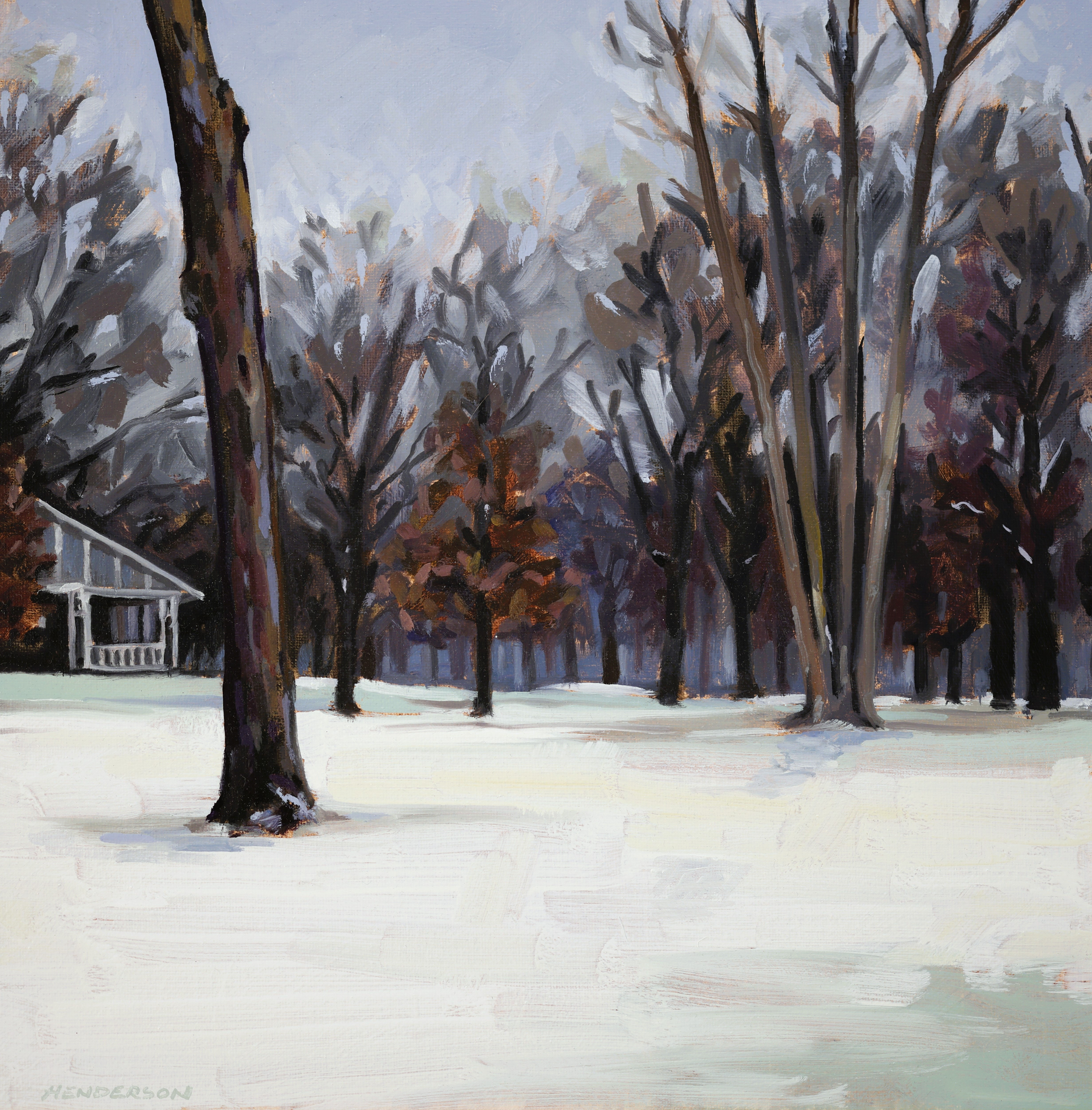
Steven Henderson; Quiet Cadence, High Park
During this period, visual art emerged again as a crucial source of healing. Initially working in abstract painting, Henderson embraced a simplified visual language that accommodated the cognitive challenges caused by his brain injury. Over time, his artistic exploration expanded, and in the final stages of his rehabilitation he began to study portrait painting, drawing inspiration from contemporary approaches such as those taught by Bold School. Despite ongoing concussion symptoms, he found portraiture a demanding but restorative practice, one that helped rebuild cognitive stamina while offering emotional grounding.
Today, Steven Henderson is dedicated to contemporary portraiture, plein air and still life observational painting, creating work that unites the restorative power of art. He continues to happily accept portrait commissions and welcomes any opportunities to collaborate with collectors and clients.